Understanding Deposit Structures in South Florida Real Estate
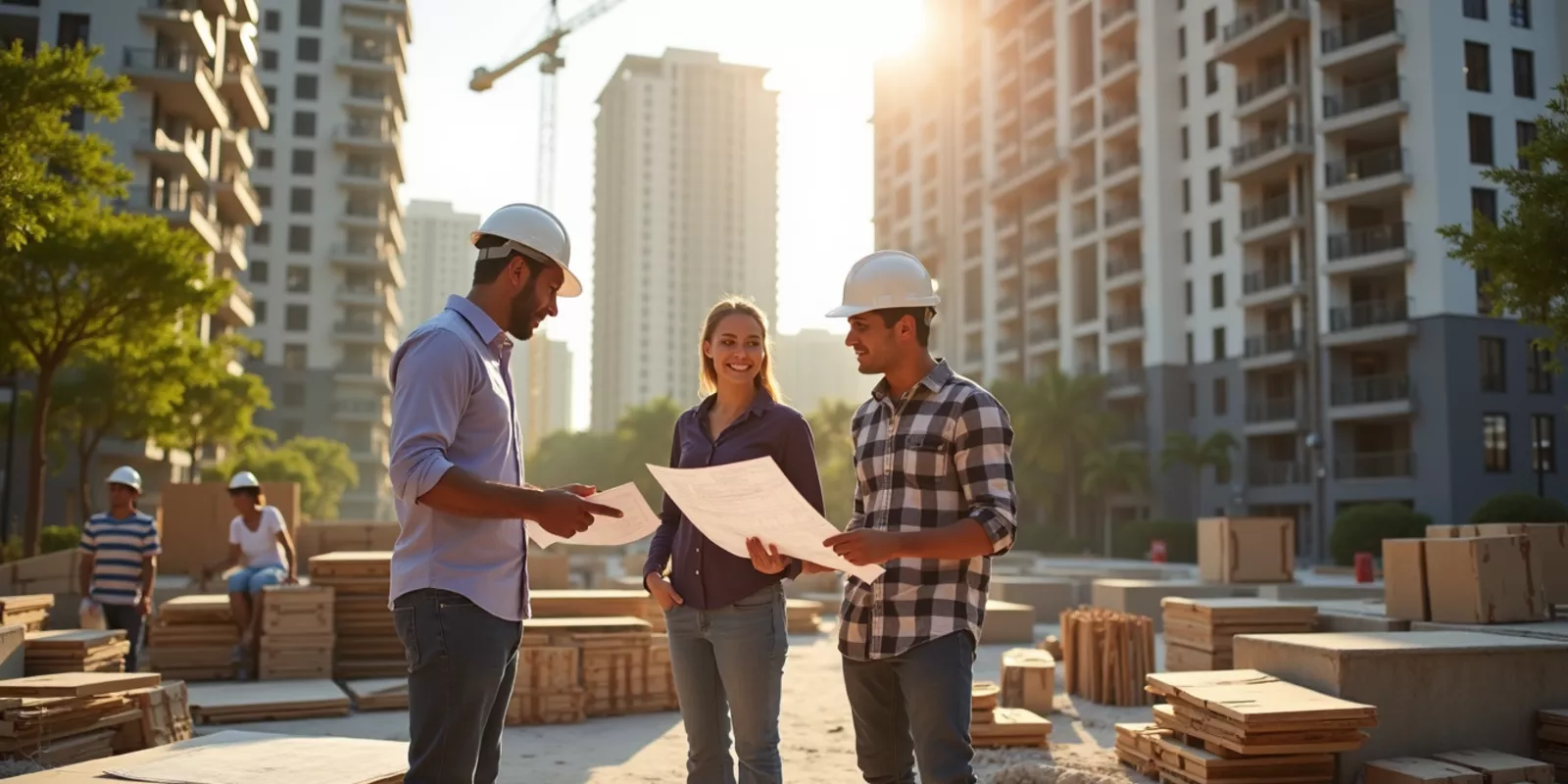
Understanding the deposit structures for new construction developments in South Florida in 2026 is essential for potential buyers and investors. The real estate market is dynamic, and deposit requirements can vary significantly based on location, developer, and project specifics. This article aims to clarify these structures, providing insights that will help you navigate your options.
The construction landscape in South Florida is rapidly evolving. With a surge in new developments, understanding deposit structures is more important than ever. Buyers often find themselves overwhelmed by various terms and conditions laid out by developers. These structures determine how much you need to put down before securing a unit and can vary widely.
Deposit structures generally consist of a series of payments made at different stages of the purchasing process. Here are some common models:
Each structure has its pros and cons, depending on your financial situation and investment strategy. It's crucial to review these details with your real estate agent or attorney.
A recent waterfront development in Miami implemented a tiered deposit structure. Buyers were required to pay 15% upfront, followed by additional payments as construction progressed. This approach provided flexibility for buyers but also increased the total initial cost.
This initiative offered an extended deposit plan where buyers could pay just 5% upfront. Additional deposits were spread over three years, making homeownership accessible for lower-income families. However, some buyers faced challenges due to fluctuating income levels during this period.
The luxury market often has more rigid deposit requirements. A new project required a 20% deposit at signing, with no additional flexibility offered. While this attracted high-net-worth buyers, it limited opportunities for first-time homeowners.
If you're considering investing in South Florida's real estate market, I can help you navigate these deposit structures effectively.
Typically, deposits range from 10% to 20% of the purchase price, depending on the project and developer.
Some developers offer financing plans that allow buyers to spread out their deposit payments over time.
In some cases, yes. It’s worth discussing with your real estate agent or directly with the developer.
If you fail to meet your deposit obligations, you may lose your initial deposit and face legal repercussions depending on the contract terms.
Your choice should align with your financial situation and long-term investment goals. Consulting with professionals can provide clarity.
If you're ready to explore South Florida's new constructions further, reach out today!
Federico Diaz is an experienced real estate professional who understands the intricacies of deposit structures for new construction developments in South Florida. If you have questions or need personalized advice, feel free to get in touch with me at (305) 873-7871.

Federico Diaz is a bilingual South Florida real estate advisor with over 20 years of experience helping clients make confident real estate decisions.
After building his career in the highly competitive Los Angeles market and earning his California Broker License, Federico made a strategic move to South Florida to specialize in one of the region's fastest-growing opportunities: luxury new developments and pre-construction communities.
Whether you're searching for your first home, a vacation property, or your next investment opportunity, Federico provides the local expertise, market knowledge, and personalized guidance to help you make the right decision from day one.
What Protections Do Buyers Have if a Developer Cancels a Project in South Florida?
For international buyers considering opportunities in Hallandale Beach, Miami, or other South Florida markets, understanding these protections before signing a contract can help reduce risk and protect your investment.
Understanding Pre-Construction Condo Delivery Timelines
Understanding the delivery timeline for pre-construction condos is crucial for buyers. This article explores the typical stages of development, shares real-life case studies, and answers common questions to help prospective buyers set realistic expectations.